
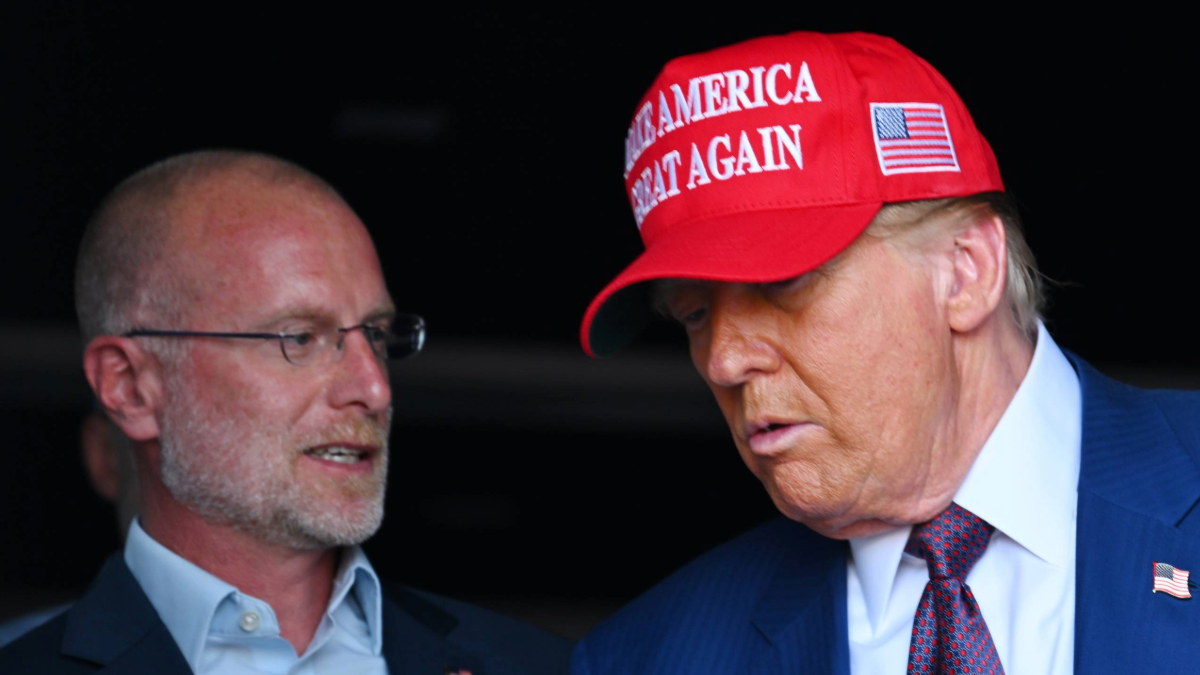
Under the leadership of its new chairman, Brendan Carr, a longtime Trump loyalist, the Federal Communications Commission (FCC) has taken on a more aggressive and openly political role, wielding its regulatory power to challenge media outlets and hosts critical of the administration. This new posture, most visibly demonstrated in the recent suspension of the late-night talk show Jimmy Kimmel Live!, is raising serious questions about the future of media regulation and free speech.
Carr, who was elevated to the chairmanship by President Trump in January, has wasted no time in making his intentions clear. In the wake of a monologue by Kimmel that criticized the administration’s response to a political assassination, Carr appeared on a conservative podcast and suggested the FCC could take “the hard way” with broadcasters who aired what he called “sick” and “misleading” content. Just hours after Carr’s warning, major ABC affiliates began to drop the show, and ABC announced its indefinite suspension. Critics, including House Democrats, are calling Carr’s actions a “corrupt abuse of power” and have demanded his resignation.
The FCC’s new approach marks a significant shift from its traditional role. While the agency has the authority to issue licenses and regulate broadcast content under a broad “public interest” standard, it has historically avoided intervening in political speech, and the FCC’s own website states that it is expressly prohibited from censoring broadcast matter. However, Carr has embraced a more expansive view of the FCC’s mission, arguing that the agency has a responsibility to combat “news distortion” and hold broadcasters accountable for what he deems to be inaccurate or politically motivated content.
This new legal and political playbook is already proving effective. The suspension of the Kimmel show follows a similar incident involving CBS and its parent company, Paramount. After the company’s merger with Skydance was in jeopardy and was only approved after a settlement with President Trump, it canceled The Late Show with Stephen Colbert. The timing of both events has led critics to argue that the FCC, under Carr, is using its regulatory authority to coerce media companies and chill free speech.
The FCC’s aggressive stance is being cheered by President Trump, who has long accused mainstream media outlets of being “the enemy of the people.” For his critics, however, the FCC’s actions represent a dangerous escalation, raising fears that the government is blurring the line between a media regulator and a political enforcer, with dangerous consequences for the First Amendment.