
In a major breakthrough that signals a potential easing of tensions with the United States, China is celebrating a new framework agreement on the future of TikTok as a “win-win” outcome. The preliminary deal, which averts a complete ban on the popular social media app, is being hailed by Beijing as a diplomatic and technological victory that has not only preserved its most valuable digital export but has also created a new playbook for navigating international regulatory pressure.
The framework, reached during recent trade talks in Madrid, would transfer ownership of TikTok’s U.S. operations from its Chinese parent company, ByteDance, to a U.S.-based entity. However, the key to Beijing’s victory narrative lies in what the deal does not do. Chinese officials have indicated that the agreement allows ByteDance to license its prized recommendation algorithm to the new American-led consortium. This arrangement, which retains Chinese involvement in the technology that drives the app’s success, is seen as a major concession from the U.S. and a vindication of China’s refusal to fully divest its proprietary technology.

The official commentary, published in the state-run People’s Daily, framed the consensus as being based on the principles of “mutual respect, peaceful coexistence, and win-win cooperation.” From China’s perspective, the deal is a triumph of negotiation over what it has long decried as U.S. “unilateral bullying” and a weaponization of national security concerns. The fact that the U.S. has repeatedly extended the deadline for the ban, and that the two sides are now set to finalize a compromise, is viewed as a sign that the Trump administration has softened its stance.
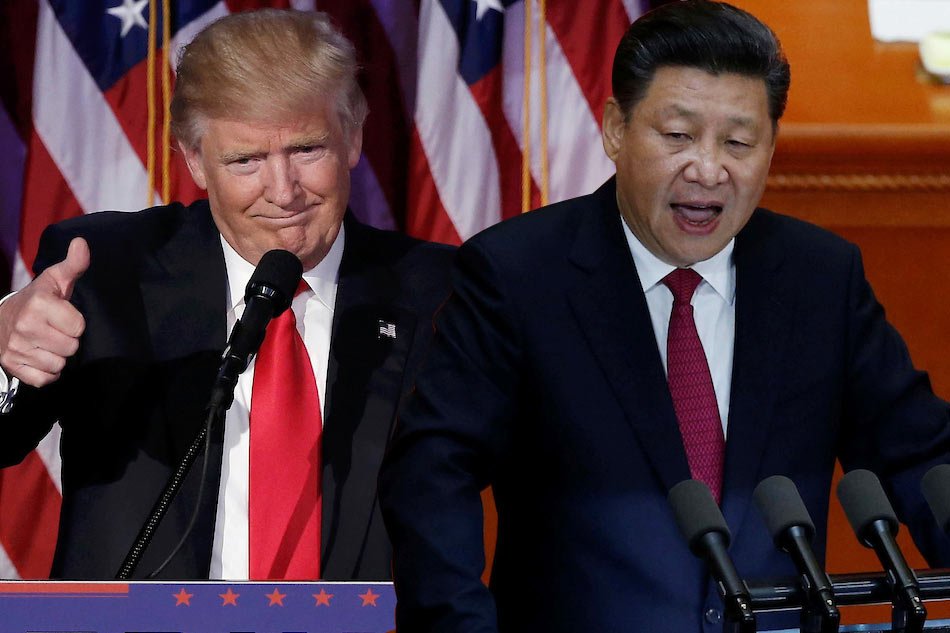
The agreement comes as U.S. and Chinese officials continue to navigate a complex trade relationship, with President Donald Trump and Chinese President Xi Jinping scheduled to speak and potentially finalize the deal. While some in the U.S. Congress, particularly the House Select Committee on the Chinese Communist Party, have expressed alarm that retaining Chinese control over the algorithm violates the spirit of the divestiture law, Beijing sees the outcome as a pragmatic solution that has protected its national interests.
For a nation that has watched its tech champions come under immense global scrutiny, the TikTok deal represents a significant moment of progress. It allows Beijing to project an image of strength and resilience, proving that it can defend its companies on the world stage without having to surrender its most valuable technological assets.