

In a move that could redefine the geopolitical landscape of Asia, Chinese President Xi Jinping and Indian Prime Minister Narendra Modi have publicly pledged to resolve their differences and build a new relationship based on cooperation, not rivalry. The joint declaration, made on the sidelines of a regional summit here, marks a significant thawing of relations between the two nuclear-armed powers, who have been locked in a decades-long rivalry.
The meeting took place during the Shanghai Cooperation Organization (SCO) summit, the first time Modi has visited China in seven years. The two leaders agreed that as “development partners, not rivals,” their shared goals for economic growth and regional stability far outweigh their historical disputes. The statement is a clear signal that both nations are seeking to ease tensions and present a united front in an increasingly volatile global environment.
“As long as they remain committed to the overarching goal of being partners, not rivals, and providing development opportunities, not threats, China-India relations will flourish and move forward steadily,” President Xi said.
The pledge comes as a surprise to many, given the long history of animosity and mistrust between the two countries. The 1962 war and the deadly border clash in 2020 have been a constant source of friction, with tens of thousands of troops still deployed along the contested Line of Actual Control (LAC). However, both leaders noted that “peace and tranquility” have been maintained since a disengagement agreement was reached last year.
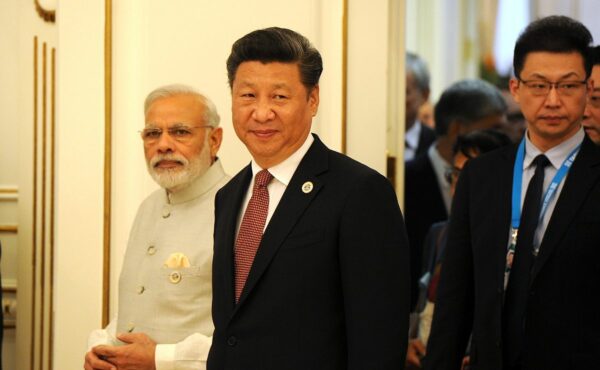
Analysts say the rapprochement is a strategic move by both countries, fueled by a shared interest in strengthening economic ties and a desire to hedge against external pressure, especially from the United States. With the U.S. having recently imposed steep tariffs on Indian goods, both Beijing and New Delhi have a shared interest in fostering a more multipolar world.
While the new pledge is a significant step forward, experts warn that the road ahead is long and full of obstacles. The two nations still have to contend with a deeply entrenched trade imbalance, a lack of trust at the military level, and a number of unresolved border disputes. As one analyst from the Takshashila Institution in Bangalore put it, “This is not the end of the rivalry. It’s the beginning of a new phase, where both sides will try to define a new equilibrium.”
For now, the leaders of the world’s two most populous nations have made a profound statement. The success of their ambitious new path will depend on whether they can move beyond words and translate their pledge into concrete action, transforming a long-standing rivalry into a stable and prosperous partnership.