
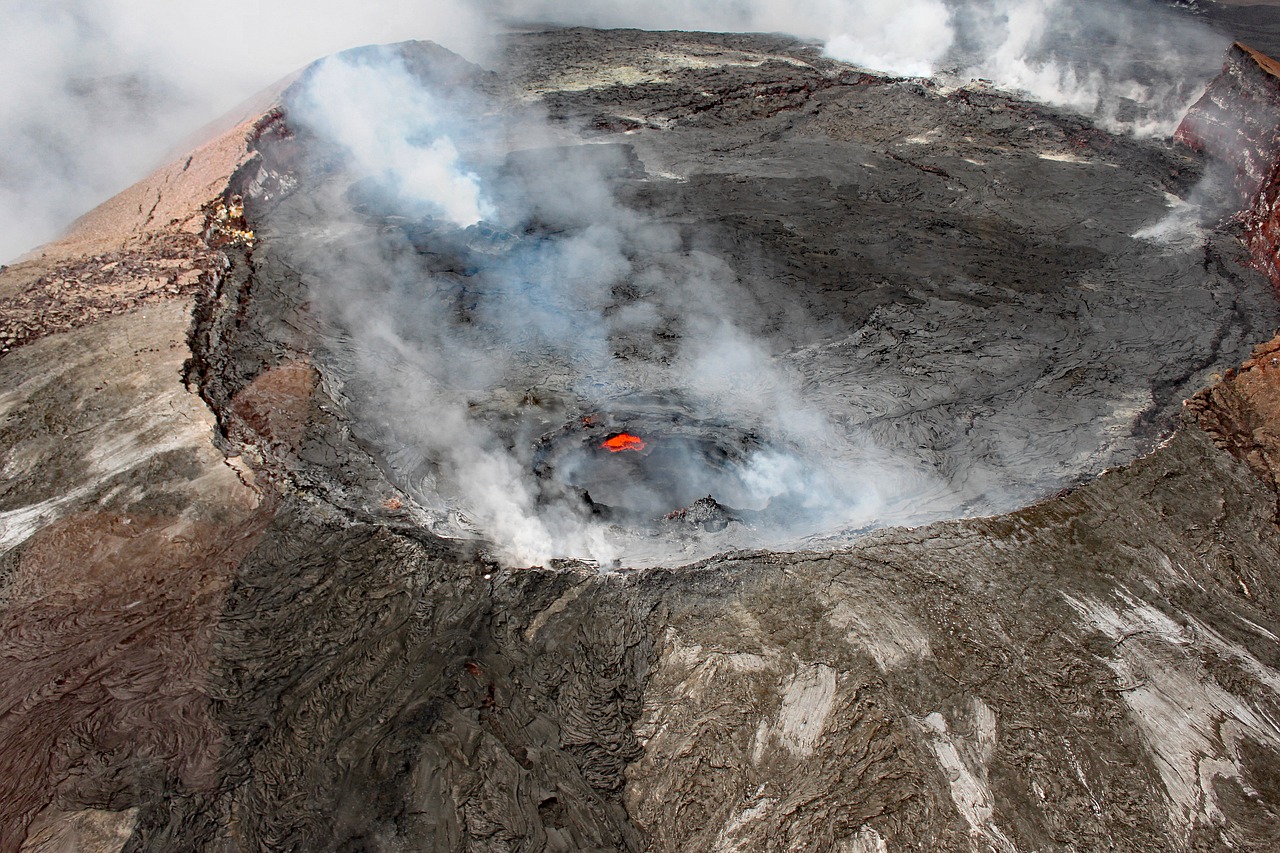
In a spectacular and fiery display, Hawai’i’s Kīlauea volcano has roared back to life, shooting arcs of molten lava high into the sky from its summit crater. The eruption, the 31st such episode since December, began with a steady spattering from a northern vent before surging into towering lava fountains that reached heights of up to 325 feet (100 meters). The breathtaking volcanic event, while a stunning show of nature’s power, has been contained within the national park, with no immediate threat to homes or communities.
According to the U.S. Geological Survey (USGS), the eruption began on Friday afternoon and lasted for over 12 hours, with the lava fountains feeding multiple streams of molten rock across the floor of the Halemaʻumaʻu crater. This type of episodic, high-fountaining eruption has been a characteristic of Kīlauea’s current activity, which began in December 2024.
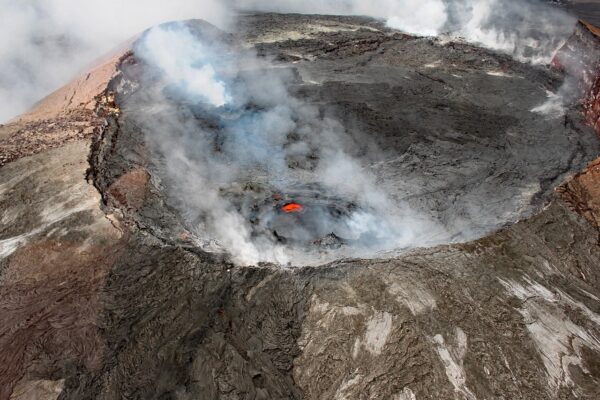
Scientists with the Hawaiian Volcano Observatory (HVO) said the powerful fountaining is a result of magma traveling to the surface through a narrow, pipelike vent. As the magma rises, dissolved gases expand and escape, creating a powerful jet-like effect that propels the lava into the air. While the current eruption is confined to the summit, the HVO is closely monitoring the situation.
For many, the eruption is a mesmerizing sight. The sound of the fountaining has been likened to a roaring jet engine, and the heat can be felt from over a mile away. As one park visitor told the Associated Press, “Every eruption feels like I am sitting in the front row at nature’s most extraordinary show.” The latest episode has also led to a significant increase in tourism to Hawai’i Volcanoes National Park, with visitation up by as much as 49% in recent months.
While the eruption poses no immediate threat, officials have cautioned about the other hazards, including volcanic gases and tiny strands of volcanic glass known as “Pele’s hair.” The HVO has warned that high levels of sulfur dioxide (SO2) can create volcanic smog (vog), which can pose a health risk to those with respiratory problems. The wind can also carry the glassy threads, which can irritate the skin and eyes, for miles downwind.
For now, the volcano has returned to a quiet phase, with the fountaining stopping abruptly early Saturday morning. But scientists are warning that more eruptions could be on the horizon. As one HVO scientist put it, their job is like “being a bunch of ants crawling on an elephant trying to figure out how the elephant works,” with the volcano’s future remaining uncertain.