
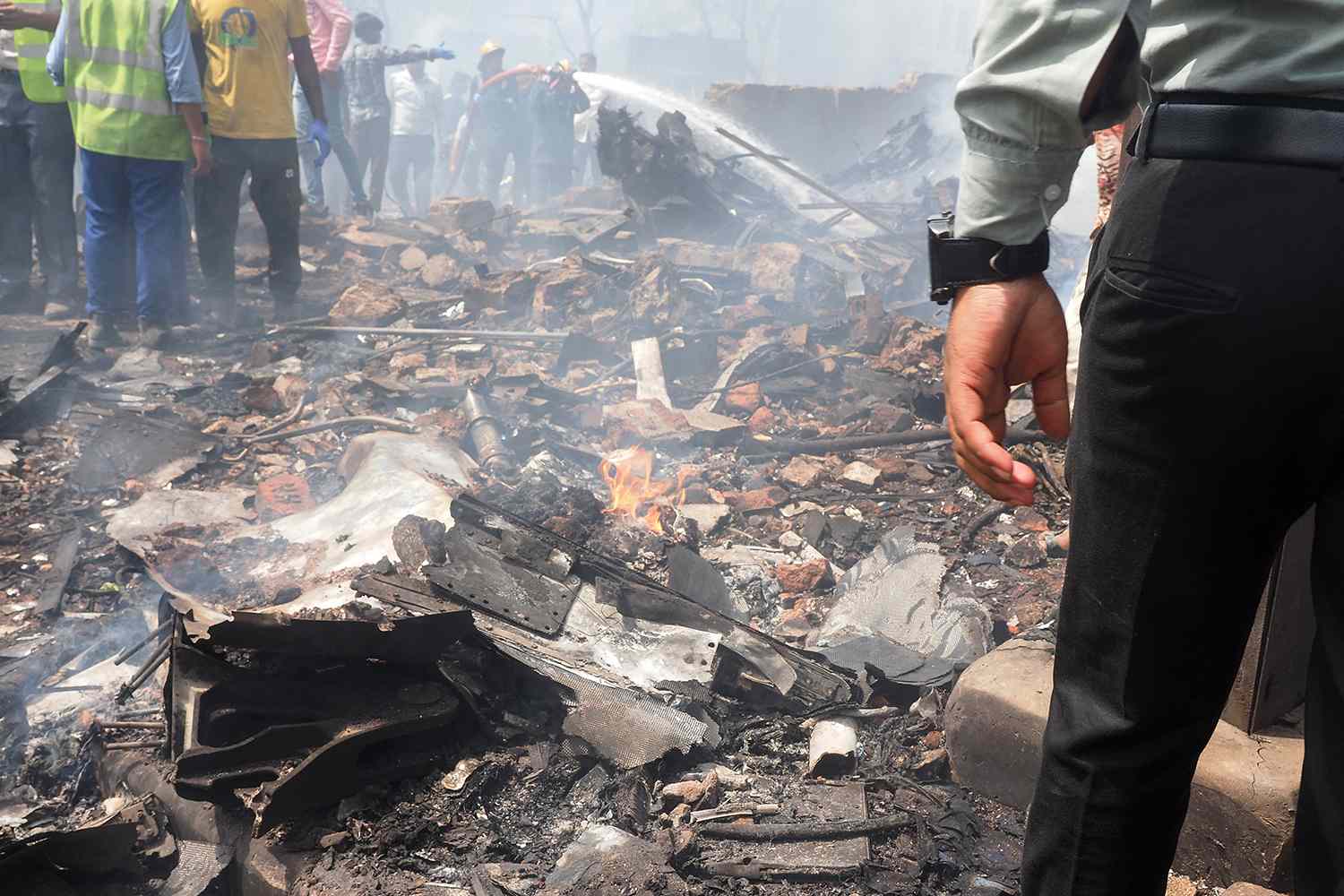
Air India, India’s flag carrier, is facing intense scrutiny after a recent audit by the country’s aviation watchdog, the Directorate General of Civil Aviation (DGCA), reportedly uncovered 51 safety lapses, including critical deficiencies in pilot training, the use of unapproved simulators, and a problematic crew rostering system. The findings, revealed in a confidential 11-page report seen by Reuters, come at a particularly sensitive time for the airline, following a deadly Boeing 787 crash last month that claimed 260 lives in Ahmedabad.
While the DGCA emphasizes that this latest audit is an annual exercise and not directly linked to the ongoing investigation into the June crash, its findings undoubtedly intensify concerns surrounding Air India’s operational integrity. The airline, now owned by the Tata Group, has been undergoing rapid expansion, but persistent reports of service quality issues and previous safety warnings have already put it under a microscope.
Among the most alarming findings in the audit are:
- Pilot Training Gaps: The report identified “recurrent training gaps” for some Boeing 787 and 777 pilots. Specifically, some pilots reportedly failed to complete mandatory monitoring duties – where they observe cockpit instruments without actively flying – ahead of their periodic evaluations.
- Unapproved Simulators: Air India allegedly conducted training for “Category C airports” – those with challenging layouts or terrain – using simulators that did not meet qualification standards. This poses significant safety risks during approaches and landings at these complex airfields.
- Poor Rostering System: The audit criticized the airline’s rostering system for failing to provide “hard alerts” when the minimum number of crew members were not being deployed on a flight. This led to at least four international flights reportedly operating with insufficient cabin crew, a critical safety violation.
- Duty Time Breaches: One Level I “significant breach” highlighted an Air India Boeing 787 flight from Milan to New Delhi exceeding its flight-duty period limit by a staggering two hours and 18 minutes. The DGCA has frequently flagged concerns about Air India pilots breaching flight-duty period limits.
- Inconsistent Checks & Documentation Gaps: The audit noted inconsistencies in “door checks and equipment checks,” suggesting procedures were not being followed rigorously, and identified gaps in training documentation.
- Lack of Accountability: No chief pilots were assigned for the Airbus A320 and A350 fleets, which the report stated “results in a lack of accountability, and effective monitoring of flight operations for these aircraft types.”
The DGCA has categorized these violations into two levels. Seven findings were classified as “Level I” significant breaches, requiring immediate rectification by July 30, while the remaining 44 “non-compliances” must be resolved by August 23.
Air India, in a statement to Reuters, affirmed its “full transparency” during the audit and committed to submitting its response to the regulator within the stipulated timeframe, along with details of corrective actions.
This audit follows a series of recent warnings and actions by the DGCA against Air India. Just last week, the regulator issued four show-cause notices over 29 violations related to cabin crew rest, duty norms, training rules, and operational procedures. In June, three officials responsible for crew scheduling and rostering were also directed to be removed from their roles due to serious violations.
While the DGCA states that a higher number of audit findings is “entirely normal” for airlines with extensive operations and large fleets, the sheer volume and critical nature of these lapses in Air India’s case, particularly in the shadow of a recent fatal crash, are likely to keep the airline firmly under the aviation watchdog’s intense gaze. The pressure is now on Air India’s management, under the Tata Group, to swiftly implement robust corrective measures and restore confidence in its safety protocols.