
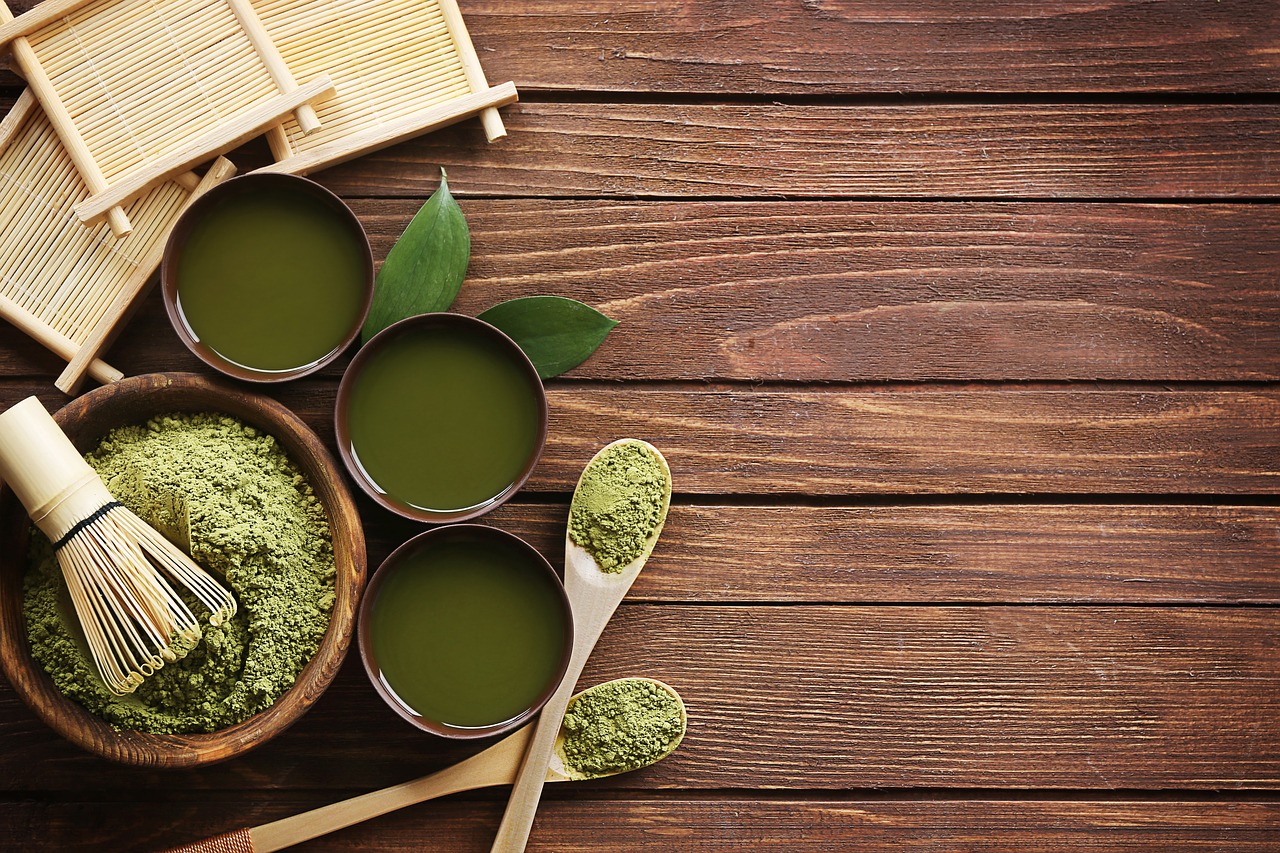
The vibrant green elixir known as matcha, once a niche Japanese tea, has become a global sensation, fueling an unprecedented demand that is now outpacing the world’s ability to produce it. A perfect storm of surging popularity, challenging climate conditions, and the delicate, time-intensive nature of its cultivation has pushed global supplies to their limits, sending prices soaring and leaving enthusiasts scrambling for their fix.
Reports from Japan, the undisputed heartland of premium matcha production, confirm a deepening supply crisis. Recent auctions in Kyoto, a region responsible for a quarter of the nation’s tencha (the shade-grown leaves used to make matcha), saw prices skyrocket by an astonishing 170% compared to last year, hitting an all-time high of 8,235 yen per kilogram (approximately US$55.45). This surge has surpassed even the previous record set in 2016, indicating the severity of the current shortage.
The meteoric rise of matcha is multifaceted:
- Social Media Phenomenon: Platforms like TikTok, particularly the “MatchaTok” community, have transformed matcha into a lifestyle trend. Viral videos showcasing vibrant lattes, health benefits, and artisanal preparations have driven unprecedented demand, especially in North America and Southeast Asia. Some major matcha brands reported selling months of inventory in mere weeks after being featured in viral content.
- Health and Wellness Craze: Consumers worldwide are increasingly drawn to matcha’s touted health benefits, including higher caffeine content than other green teas and its rich antioxidant properties. This perception as a “superfood” has propelled its integration into everything from beverages and desserts to cosmetics.
- Post-Pandemic Tourism Boom: As travel to Japan resumed, a surge of tourists eager to experience authentic matcha culture and bring home souvenirs further exacerbated demand, often leading to shops in renowned matcha cities like Uji imposing purchase limits.

However, the supply side has struggled to keep pace with this insatiable global appetite:
- Laborious Cultivation and Processing: High-grade matcha is akin to fine wine, requiring specific climate conditions found in only select areas of Japan. The labor-intensive process involves meticulously shade-growing tea plants for weeks to enhance their chlorophyll and amino acid content, followed by hand-picking the finest leaves. The tencha is then stone-ground into a fine powder, a slow process that yields only about 40 grams of matcha per hour.
- Climate Change Impact: Japan has endured record-breaking heatwaves, particularly last summer, and unusually cool springs and unexpected frosts, severely impacting tea harvests. Farmers like Masahiro Yoshida, a sixth-generation cultivator in Kyoto, have reported significant reductions in their typical yields, with some harvests down by 25% due to heat-damaged bushes.
- Aging Farming Population: While Japan’s Ministry of Agriculture, Forestry and Fisheries has encouraged increased tencha production, the country faces a declining number of tea farmers, with fewer young people entering the labor-intensive industry. This demographic shift makes it difficult to scale production quickly.
- Long Lead Times for New Fields: Even with efforts underway to establish new tea fields, these plants require approximately five years to mature enough for harvest. This long lead time means that any significant improvement in supply is still years away.
Retailers in Japan have already begun implementing purchase limits on matcha tins, and cafes globally are reporting difficulties in procuring consistent supplies. Some importers are seeing what was once a month’s supply sell out in days, with cafes desperate to maintain their stock.
Experts anticipate that supply pressures will persist for at least two to three years as the industry slowly adapts. While prices are expected to remain elevated, the crisis is also spurring innovation. Research into new, climate-resilient tea cultivars, technological advancements in processing efficiency, and even experimental cultivation outside traditional Japanese regions are underway to address the long-term imbalance.
For now, the world’s burgeoning love affair with matcha has turned into a waiting game, a testament to the intricate balance between traditional agriculture, modern demand, and the unpredictable forces of nature.