
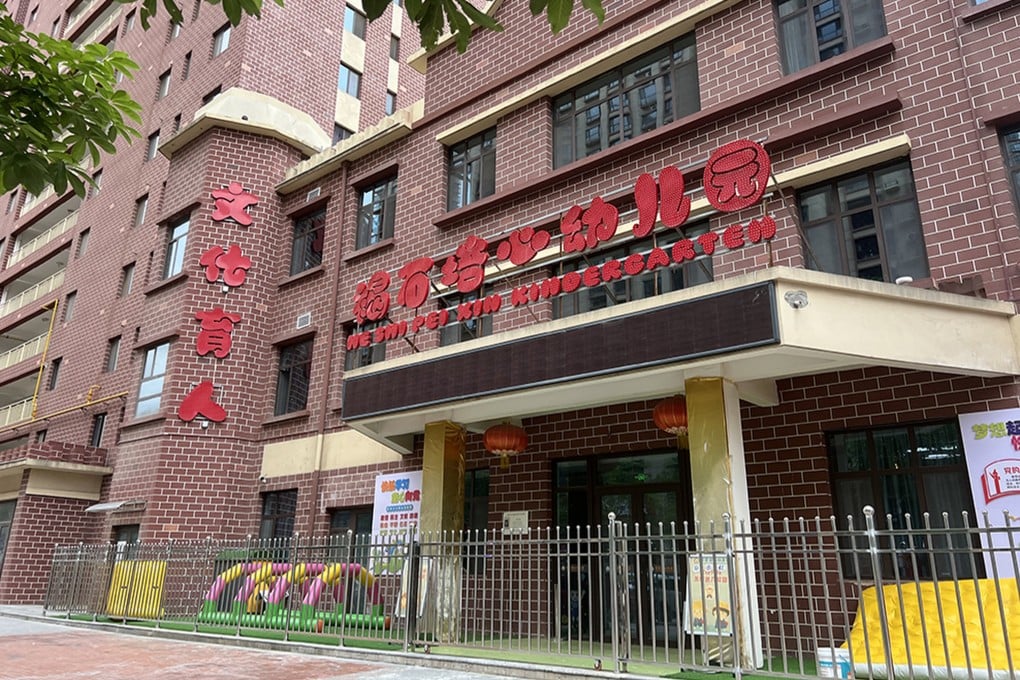
A horrifying food safety scandal has sent shockwaves across China, as authorities reveal a deliberate cover-up in the lead poisoning of more than 200 children at a kindergarten in Gansu province. What began as a local health crisis has escalated into a nationwide outrage, exposing a shocking conspiracy involving school officials, medical staff, and even local government employees.
The scandal centers on the Brownstone Peixin Kindergarten in Tianshui, where 233 of 251 enrolled children were found to have abnormally high levels of lead in their blood. Over 200 of these young victims required hospitalization, suffering from symptoms including vomiting, stomach cramps, and even blackened teeth.
A provincial investigation report, released on Sunday, has uncovered a shocking truth: the school’s principal allegedly instructed staff to add industrial-grade lead pigment to children’s meals. These toxic dyes, explicitly marked “not for consumption,” were used to make food items like red date steamed cakes and corn rolls appear more appealing, in a cynical bid to attract new admissions and increase revenue. Tests on food samples revealed lead levels astonishingly high – up to 400,000 times above the legal limit in one instance.
But the horror did not end with the poisoning itself. Investigators uncovered a systematic attempt to conceal the truth and obstruct justice:
- Falsified Medical Reports: The Tianshui Second People’s Hospital, where many of the poisoned children were treated, was found to have altered at least two medical reports to downplay the severity of the lead poisoning. The hospital’s laboratory was described as disorganized and lacking proper oversight.
- Mishandled Investigations: China’s Centre for Disease Control in Gansu was also criticized for its shoddy handling of the case, taking samples improperly and failing to follow up on early warnings, leading to discrepancies in test results.
- Bribery and Negligence: The report accused local education officials of ignoring the fact that the kindergarten was operating without a proper license and had not undergone a food safety inspection for at least two years, despite charging high fees. Some officials are now suspected of receiving bribes from the school’s investors.
So far, six staff members from the kindergarten, including the principal and the cook, have been formally arrested on suspicion of producing toxic and harmful food. Beyond these arrests, disciplinary investigations are now underway against 27 other individuals, including government and hospital employees implicated in the cover-up and negligence. China’s top anti-corruption watchdog has also launched a separate probe into senior figures linked to the scandal.
The incident has reignited long-standing public distrust over food safety and official transparency in China, echoing the infamous 2008 melamine-tainted milk scandal that killed six infants and sickened hundreds of thousands. While most of the affected children have now been discharged from the hospital after treatment that reportedly lowered their blood lead levels by around 40%, the long-term neurological and developmental impacts of lead poisoning on young children remain a grave concern.
The Gansu provincial government has issued a public apology to the affected families, vowing “zero tolerance” for regulatory failures and pledging to strengthen food safety and health oversight in schools across the province. However, for the parents whose children were deliberately poisoned and then denied the truth, the battle for full justice and accountability is far from over.