
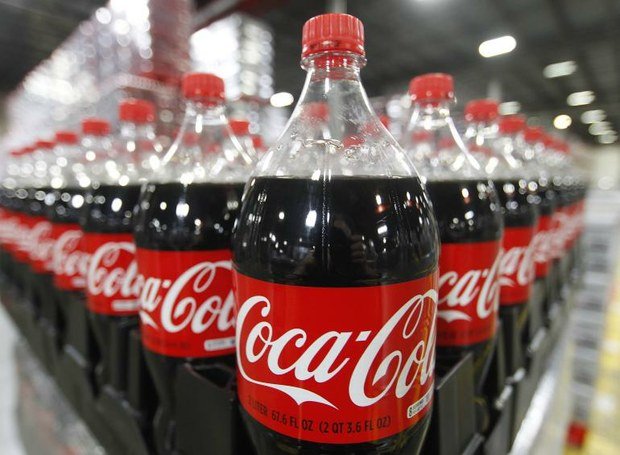
In an unexpected announcement that has sent ripples through the beverage industry and delighted a segment of consumers, President Donald Trump declared today that Coca-Cola has agreed to change a key ingredient in its flagship U.S. soft drink, moving from high-fructose corn syrup (HFCS) back to “REAL Cane Sugar.” The claim, made by the President on his Truth Social platform, quickly ignited speculation about taste, health, and the surprising influence of the White House on corporate recipes.
“I have been speaking to Coca-Cola about using REAL Cane Sugar in Coke in the United States, and they have agreed to do so,” Trump wrote. “I’d like to thank all of those in authority at Coca-Cola. This will be a very good move by them — You’ll see. It’s just better!”
The President’s assertion, while not immediately confirmed by Coca-Cola, aligns with a long-standing desire among some consumers for the taste of Coke sweetened with cane sugar, reminiscent of “Mexican Coke” or special kosher-for-Passover versions. For decades, Coca-Cola in the U.S. has primarily used HFCS, a decision made in the 1980s largely due to economic factors, including cheaper corn subsidies and sugar import tariffs.

While Coca-Cola has yet to explicitly confirm a full ingredient switch for its primary U.S. product, a company spokesperson offered a somewhat cryptic response: “We appreciate President Trump’s enthusiasm for our iconic Coca-Cola brand. More details on new innovative offerings within our Coca-Cola product range will be shared soon.” This statement left room for interpretation, suggesting potential new product lines or limited-time offerings rather than an immediate, wholesale reformulation of the classic U.S. Coke.
The potential change also ties into the Trump administration’s “Make America Healthy Again” (MAHA) initiative, championed by Health Secretary Robert F. Kennedy Jr., which advocates for the removal of certain ingredients like HFCS from American food products due to perceived health concerns. While scientific consensus generally holds that cane sugar (sucrose) and HFCS are metabolically similar and equally contribute to calorie intake, the public perception often favors cane sugar as more “natural.”
However, a move away from HFCS to cane sugar would not be without significant economic implications. The Corn Refiners Association has already voiced concerns, warning that such a shift could “cost thousands of American food manufacturing jobs, depress farm income, and boost imports of foreign sugar, all with no nutritional benefit.” Given that corn is a heavily subsidized domestic crop, a large-scale change could face backlash from agricultural interests in key U.S. states.
For consumers, the biggest question remains: how would a switch to cane sugar truly alter the taste of their favorite soda, and would it lead to higher prices, as some speculate, given that Mexican Coke often sells at a premium in the U.S.?
As the world waits for Coca-Cola’s official clarification, President Trump’s bold claim has certainly stirred the pot, igniting a bubbly debate over what’s in our beloved beverages and highlighting the unexpected ways in which political figures can influence even the most iconic of American brands.